

-
About
Marist Fall 2026 Open House
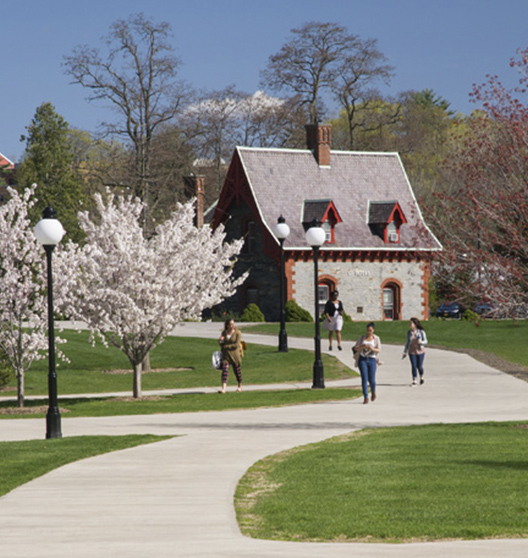
Join us for a Fall Open House and see Marist for yourself. Explore our stunning riverfront campus, learn more about academics and admissions, and get a firsthand look at life as a Red Fox. Along the way, you'll hear from students, faculty, and staff about the opportunities, connections, and experiences that make Marist special. Register Below:
About
-
Academics
Marist Fall 2026 Open House
Join us for a Fall Open House and see Marist for yourself. Explore our stunning riverfront campus, learn more about academics and admissions, and get a firsthand look at life as a Red Fox. Along the way, you'll hear from students, faculty, and staff about the opportunities, connections, and experiences that make Marist special. Register Below:
Academics
-
Admission & Financial Aid
Marist Fall 2026 Open House
Join us for a Fall Open House and see Marist for yourself. Explore our stunning riverfront campus, learn more about academics and admissions, and get a firsthand look at life as a Red Fox. Along the way, you'll hear from students, faculty, and staff about the opportunities, connections, and experiences that make Marist special. Register Below:
Admission & Financial Aid
-
Student Life
Marist Fall 2026 Open House
Join us for a Fall Open House and see Marist for yourself. Explore our stunning riverfront campus, learn more about academics and admissions, and get a firsthand look at life as a Red Fox. Along the way, you'll hear from students, faculty, and staff about the opportunities, connections, and experiences that make Marist special. Register Below:
Student Life
- Athletics